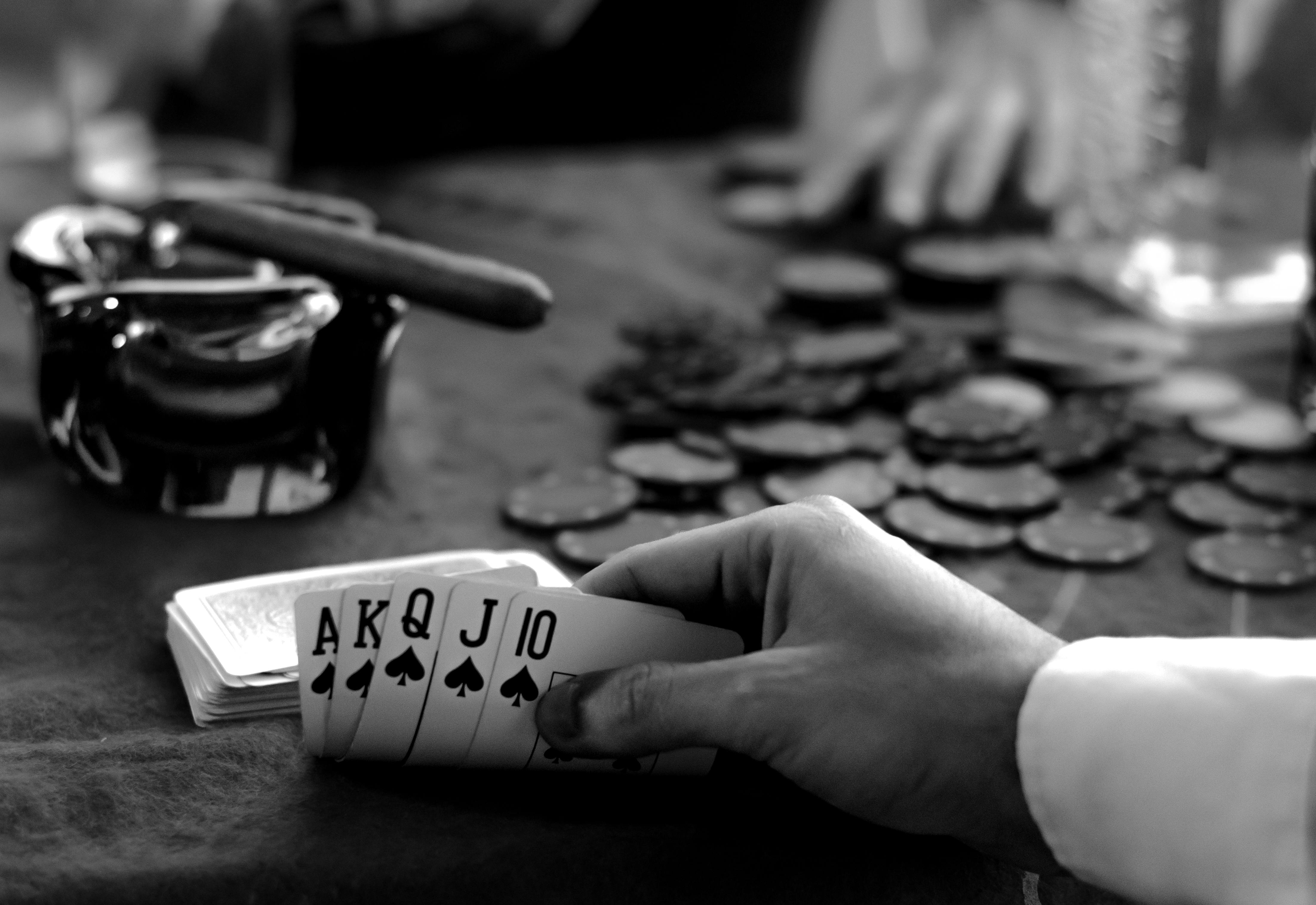
The Allure of Gambling: Understanding the Draw
The psychology behind gambling is a multifaceted phenomenon that captivates millions around the world. This allure stems from a combination of thrill, risk-taking, and the belief in potential rewards. For many, the excitement of placing bets and the anticipation of winning creates a psychological high that can be addicting. This emotional rollercoaster is one reason why casinos are designed to immerse players in an environment that amplifies these feelings, making it difficult to resist the urge to participate. Furthermore, exploring options available at canadian betting sites often enhances the experience, as the atmosphere, combined with personal expectations, creates a unique blend of excitement that can entice even the most cautious individuals.
Moreover, the ambiance of casinos plays a pivotal role in enhancing the gambling experience. Bright lights, vibrant colors, and the sounds of coins clinking and machines beeping create an engaging atmosphere that stimulates the senses. This sensory overload not only captures attention but also influences decision-making, further enticing players to gamble. By creating an environment that is both exciting and overwhelming, casinos effectively lower the barriers to entry for potential gamblers, making it easier for them to engage in risk-taking behavior. The strategic layout of casinos, including the placement of games and the flow of foot traffic, encourages players to indulge and lose track of time.
An essential aspect of this allure is linked to the psychology of ‘near misses.’ When players experience close calls, such as almost hitting a jackpot, it triggers a dopamine response in the brain similar to what one might feel after a win. This mechanism reinforces the behavior of gambling, as players are more likely to return in hopes of achieving that euphoric feeling again. The brain’s reward system becomes conditioned to seek out these experiences, making it challenging for individuals to recognize the potential for loss. Understanding these psychological triggers is crucial for comprehending why many find it challenging to walk away from the gambling table, despite the risks involved.
The Role of Cognitive Biases in Gambling Behavior
Cognitive biases significantly influence how individuals perceive risk and reward when gambling. One of the most common biases is the ‘gambler’s fallacy,’ where players believe that past outcomes affect future results. For example, if a roulette wheel has landed on red several times in a row, a player may feel that black is ‘due.’ This kind of flawed logic can lead individuals to make irrational betting decisions, as they fail to recognize that each spin is an independent event. Such cognitive distortions can cloud judgment and lead to increased financial risk, as players chase perceived patterns that do not exist.
Confirmation bias also plays a part in gambling psychology. Players often seek out information or experiences that confirm their beliefs while ignoring contradictory evidence. For instance, a person who insists they have a ‘lucky’ slot machine might overlook the countless times they have won nothing. This selective perception reinforces their gambling behavior and often leads to larger bets, as they become increasingly convinced of their luck. Such cognitive distortions can trap individuals in cycles of loss while they chase their perceived fortune, making it difficult to recognize when it’s time to stop.

The impact of these cognitive biases is compounded by the design of games and machines in casinos. Many game developers strategically employ techniques that exploit these biases, such as providing frequent small wins to maintain engagement. Players may perceive these small wins as luck, further reinforcing their desire to gamble. This interplay between cognitive psychology and game design highlights the challenges in developing a clear understanding of responsible gambling practices. The environment is tailored to maximize the potential for cognitive errors, leading players deeper into the gambling experience.
Addiction and Its Psychological Underpinnings
Gambling addiction is a complex issue rooted in psychological needs and coping mechanisms. Many individuals turn to gambling as an escape from stress, anxiety, or depression. The temporary relief that comes from the high of winning can create a cycle where individuals increasingly rely on gambling as a coping strategy. As the addiction deepens, the behavior can lead to severe consequences, including financial ruin and strained relationships, making it crucial to understand the psychological factors contributing to this addiction. The initial excitement and thrill can quickly morph into a desperate need for stimulation, complicating the individual’s relationship with gambling.
The concept of reward sensitivity is important when exploring gambling addiction. Some individuals have a heightened sensitivity to rewards, making them more prone to addictive behaviors. The thrill of winning serves as a powerful motivator that can overshadow negative consequences, leading to irrational choices. The brain’s reward pathways become overactive in response to gambling scenarios, reinforcing the behavior and creating a sense of euphoria that outweighs the risks involved. This heightened sensitivity can lead to a vicious cycle of chasing losses, where the desire to regain lost money drives further gambling.
Moreover, psychological factors such as low self-esteem and social isolation can exacerbate gambling addiction. Individuals seeking validation or social connection may find solace in gambling environments. Unfortunately, this can often lead to a vicious cycle where they withdraw from social interactions in favor of gambling, further deepening their isolation and dependence on gambling for emotional fulfillment. This interplay of psychological factors underlines how integral understanding human behavior is to tackling gambling addiction effectively. Addressing these underlying issues is vital in helping individuals regain control over their lives and minimize the impact of gambling.
The Influence of Social Dynamics in Gambling
Social dynamics significantly impact the gambling experience, influencing why individuals gamble and how they behave in casino environments. Social reinforcement is a critical aspect, as people often gamble in groups or with friends, seeking community and shared excitement. This social aspect can amplify the thrill of gambling and create a sense of belonging that compels individuals to engage in gambling activities. Watching others win can also motivate individuals to place bets, as they envision themselves enjoying similar successes. The communal aspect of gambling can create a shared narrative that enhances the overall experience, making it more enticing for individuals.

Peer pressure and social norms further shape gambling behaviors. In environments where gambling is normalized, individuals may feel encouraged to participate, even if they may not have initially intended to gamble. The desire to fit in or impress peers can lead to impulsive decisions, making individuals more susceptible to overspending or taking risks. This social pressure can be particularly salient in group settings, such as celebrations or outings, where gambling is often framed as a fun and exciting recreational activity. The fear of missing out can drive individuals to engage in gambling behavior they might typically avoid.
Moreover, social media has transformed how people perceive and engage in gambling. The sharing of wins and experiences online can glorify gambling, creating a culture where showcasing success becomes commonplace. This can influence new gamblers, as they may feel an unwritten expectation to engage in gambling to achieve similar accolades. Understanding these social dynamics is essential for identifying responsible gambling practices and mitigating the risks associated with gambling addiction. By recognizing the role of social influences, individuals can better navigate their gambling experiences and make more informed choices.
Understanding Responsible Gambling and its Psychological Aspects
Promoting responsible gambling is vital in addressing the psychological aspects of gambling behavior. By educating players about the psychological triggers and biases that can lead to poor decision-making, casinos and educational institutions can help players make more informed choices. This includes understanding the odds involved in various games and recognizing the risks of chasing losses. By fostering awareness, individuals can cultivate a healthier relationship with gambling, reducing the likelihood of addiction. Educational initiatives can empower players to recognize the signs of problematic gambling behaviors before they escalate.
Incorporating self-regulation techniques can also equip individuals with the tools needed to manage their gambling behavior. This includes setting limits on time and money spent gambling, which encourages players to remain conscious of their actions. With a deeper understanding of the psychological motivations behind their gambling, players can learn to recognize when they are gambling for the wrong reasons, such as emotional distress or social pressure. This self-awareness can serve as a protective factor against harmful gambling behaviors, allowing individuals to engage in gambling more safely and responsibly.
Finally, resources and support networks play a crucial role in promoting responsible gambling. Counseling services and support groups specifically tailored to gambling addiction can provide individuals with the necessary tools to address their behaviors. Such resources foster a sense of community and understanding, allowing individuals to share their experiences and learn from one another. By combining educational initiatives with support systems, it becomes possible to create a comprehensive approach to understanding and mitigating the psychological impacts of gambling. A collaborative effort can help bridge the gap between entertainment and responsible behavior, ensuring a healthier gaming environment for all players.